
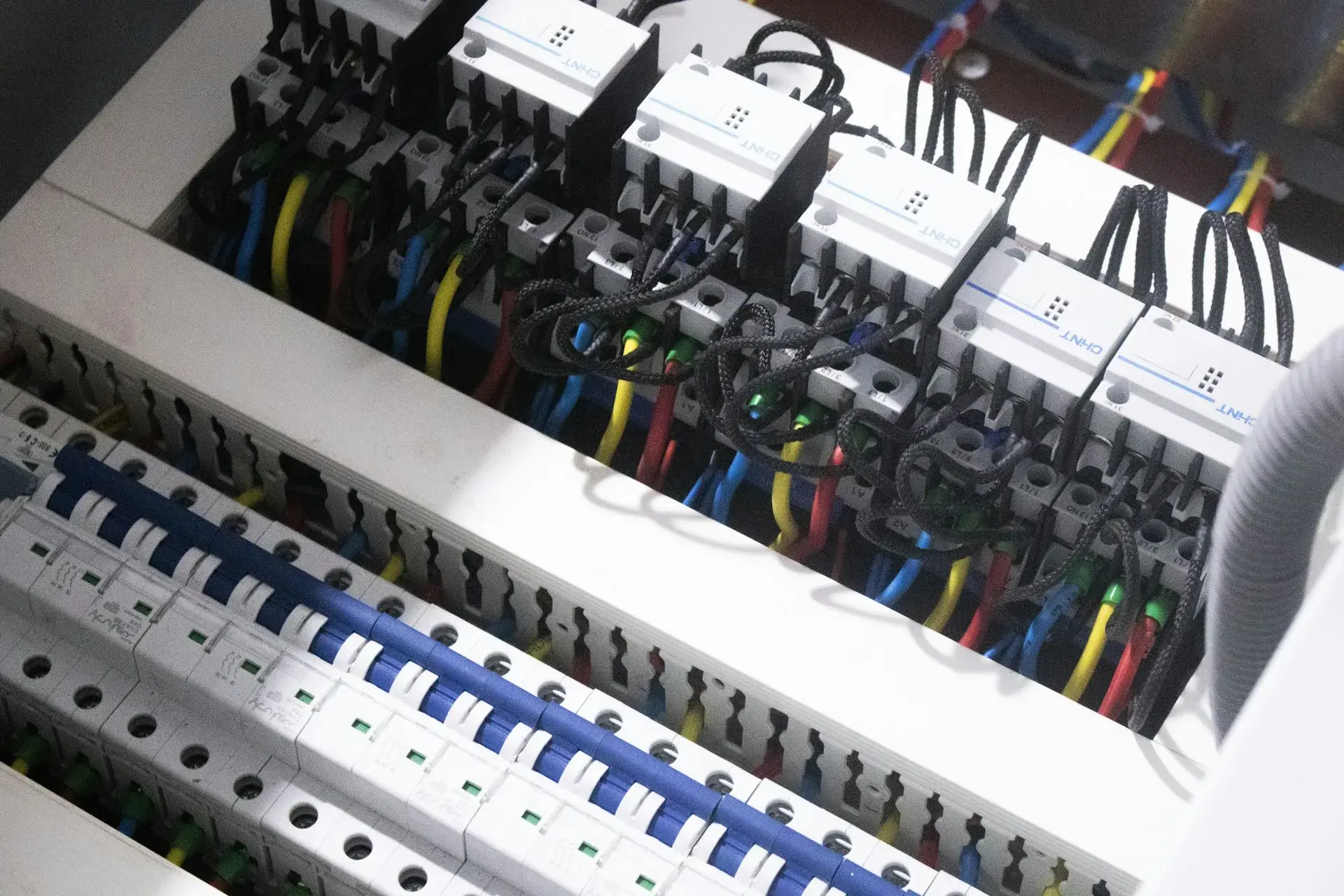
Case Study Accelerating Non-Brand Visibility for a Leading Electrical Manufacturer
How we restructured site architecture and internal linking to drive 17% non-brand impression growth for a global electrical manufacturer.
+17%
Non-brand keyword impressions
+10%
Non-brand first-page rankings
11.4
Average keyword rank
The Client
A heritage electronic equipment brand seeking digital modernization.
The client is a leading manufacturer of electrical and electronic equipment, supplying critical systems to the global power, industrial, and infrastructure sectors. With a legacy spanning decades, the brand built a reputation for engineering reliability and product safety, establishing deep offline customer relationships. Their product catalog features everything from electrical switchgear and control panels to industrial automation sensors and power transmission systems.
As B2B purchasing habits evolved, procurement managers, municipal planners, and project engineers increasingly used organic search to discover potential suppliers. While the manufacturer maintained a strong market share offline, their online presence failed to reflect their industry position. Their website was cluttered, making it difficult for search engine crawlers and prospective buyers to navigate their product offerings.
Before the engagement began, the client faced a steady decline in organic visibility. Traffic was concentrated on branded search terms, meaning new accounts who were unfamiliar with their company name could not find their website. At the same time, their blog traffic was dropping due to a lack of search-aligned content, failing to drive prospects to their product and services pages.
The Challenge
Legacy trust, declining digital authority.
The manufacturer faced a dual problem. Their product pages ranked poorly for key commercial terms, allowing smaller, more digitally agile competitors to capture search traffic. The site structure and navigation were outdated, with excessive menus that confused users and search crawlers alike.
Furthermore, their educational blog content was failing to attract visitors. Because the client published general company updates rather than addressing specific technical queries, the blog was losing traffic. This separation between their educational blog and commercial products meant their website was failing to capture new B2B leads.
16.2
Initial average organic ranking for targeted keywords
273
Non-brand keywords ranking on the first page of search results at baseline
1.12M
Monthly search impressions for non-branded queries before the campaign
Outdated website layout and navigation, hurting search indexing and visitor engagement.
Product and category pages lacking alignment with target search terms, causing poor organic rankings.
Declining blog traffic due to content that did not match B2B buyer search intent.
Minimal visibility for non-branded keywords, leading to heavy reliance on branded traffic.
What our audit found
Uncovering structural and content roadblocks.
We conducted a technical crawl and content audit of the client’s website to find the bottlenecks blocking search visibility. The diagnostic revealed that the site’s information architecture (IA) was too flat, mixing specification sheets, blog articles, and corporate information together without a clear hierarchy. This structure diluted the ranking power of core commercial pages.
We also found that product detail pages lacked search term alignment. Specifications and technical data were often published as raw text without optimized tags or metadata, making it difficult for search engines to index them.
Additionally, we identified a disconnect in their content strategy. The educational blog posts had no internal links pointing to relevant product pages, preventing organic readers from navigating to transactional pages.
Flat site architecture burying product specifications deep within the site hierarchy.
Homepage navigation featuring excessive legacy internal links, diluting crawler value.
Missing internal link connections between high-performing blogs and corresponding category landing pages.
Unoptimized category and product pages lacking relevant keywords and structured metadata.
The Solution
How we turned it around.
Revamping site structure and homepage navigation.
We restructured the website’s navigation and layout to improve page access. We created a simplified menu hierarchy, grouping product categories logically by industry and sector. This change allowed search crawlers and users to reach core product specifications within three clicks of the homepage.
To improve engagement, we redesigned the homepage to highlight primary solution categories, routing visitors directly to transactional pages.
What we shipped
- Simplified main navigation menu links to create a clean site structure.
- Developed logical parent-child hierarchies for all product and service pages.
- Redesigned the homepage layout to highlight core B2B solutions.
Aligning product page content with search intent.
We optimized core product and category pages by updating content, headers, and metadata to align with target search queries. We structured technical specifications in clean HTML formats to help search engines read and index product data.
This optimization ensured product landing pages ranked for specific commercial queries used by B2B buyers during their vendor research.
What we shipped
- Rewrote meta tags and headers on key product pages to target high-intent terms.
- Organized product specification tables using optimized HTML layouts.
- Updated category pages with unique keyword-rich content to improve relevance.
Content repositioning and gap analysis.
To address the decline in blog traffic, we performed a competitor gap analysis and search demand audit. We replaced general corporate news posts with detailed technical articles answering specific engineering questions.
This shift to demand-led content helped the manufacturer rank for long-tail technical queries searched by B2B engineers and buyers.
What we shipped
- Performed competitor research to identify and target content gaps.
- Replaced thin blog articles with in-depth technical guides.
- Published content focused on industry standards, compliance, and engineering solutions.
Connecting informational content with commercial landing pages.
To distribute search authority and guide buyers, we deployed an internal linking mapping system. We added contextual links and call-to-actions within educational blog posts, pointing readers to related product and category pages.
This internal link structure helped search engine crawlers find and index commercial pages, while moving organic readers closer to requesting quotes.
What we shipped
- Mapped high-performing blog content to relevant product category pages.
- Added contextual call-to-actions linking blog readers to product inquiry pages.
- Used optimized internal link anchor texts to pass search authority to key product pages.
The Numbers
Outcomes we can talk about.
Within six months of completing the site restructuring and content optimization, the client’s organic search metrics grew significantly. Organic impressions for high-intent non-branded keywords grew by 17%, rising from 1.12M to 1.32M. This growth placed their technical product catalog in front of a much wider audience of B2B buyers.
Additionally, the number of non-branded keywords ranking on the first page of search results increased by 10%, growing from 273 to 300 keywords. The client's average keyword ranking position improved from 16.2 to 11.4, boosting organic visibility for their revenue-driving product categories and generating more inbound B2B inquiries.
+17%
Non-brand keyword impressions
+10%
Non-brand first-page rankings
11.4
Average keyword rank
What We Built
What's Next
Optimizing page elements for conversion.
With organic visibility restored, the next phase of the campaign will focus on user conversion. We plan to run on-page testing using heatmaps and user session recordings to find and fix friction points on core product and category pages.
We also plan to implement schema markup for all product models, helping search engines show availability and spec details in search results to drive higher click-through rates.
Frequently Asked Questions
About This Project
The questions teams usually ask when they want to run a similar engagement.
A flat site architecture mixes different types of content without a clear hierarchy, making it difficult for search crawlers to identify which pages are most important. Organizing pages in a logical structure helps search engines index and rank core commercial pages.
The Real Numbers
Need real numbers? Let's talk.
We kept the names off the page. The story is real, the outcomes are real, and we're always happy to walk a serious team through the rest of it.
Start a Conversation→More from Marketing

Reducing ACoS and Scaling Sales for an Amazon Seller
Scaling B2B Lead Generation for an Electrical Equipment Exporter

Boosting Conversion: A 22% ROAS Lift for a Global Luxury Beauty Leader
Insights from our blog
 Digital Marketing
Google AI Overviews are Changing Product Search. Is Your Store Ready?
Want your products featured in Google AI Overviews? Explore ecommerce SEO strategies that make product information clearer, more accurate, and easier for AI to understand.
 Digital Marketing
What AI Actually Does in Performance Marketing - And Where You Still Need to Step In
Discover what AI really does in performance marketing and where human expertise remains essential for profitable, sustainable growth.
 Digital Marketing
Social Media Management Strategies That Drive Real Business Growth in 2026
Learn how effective social media management strategies move beyond likes and followers to drive lead generation, stronger customer engagement, measurable ROI, and sustainable business growth.