

AI Marketing Attribution beyond last-click
Deploying machine-learning attribution models that reveal the true contribution of every campaign, channel, and creative asset in your customer's path to purchase.
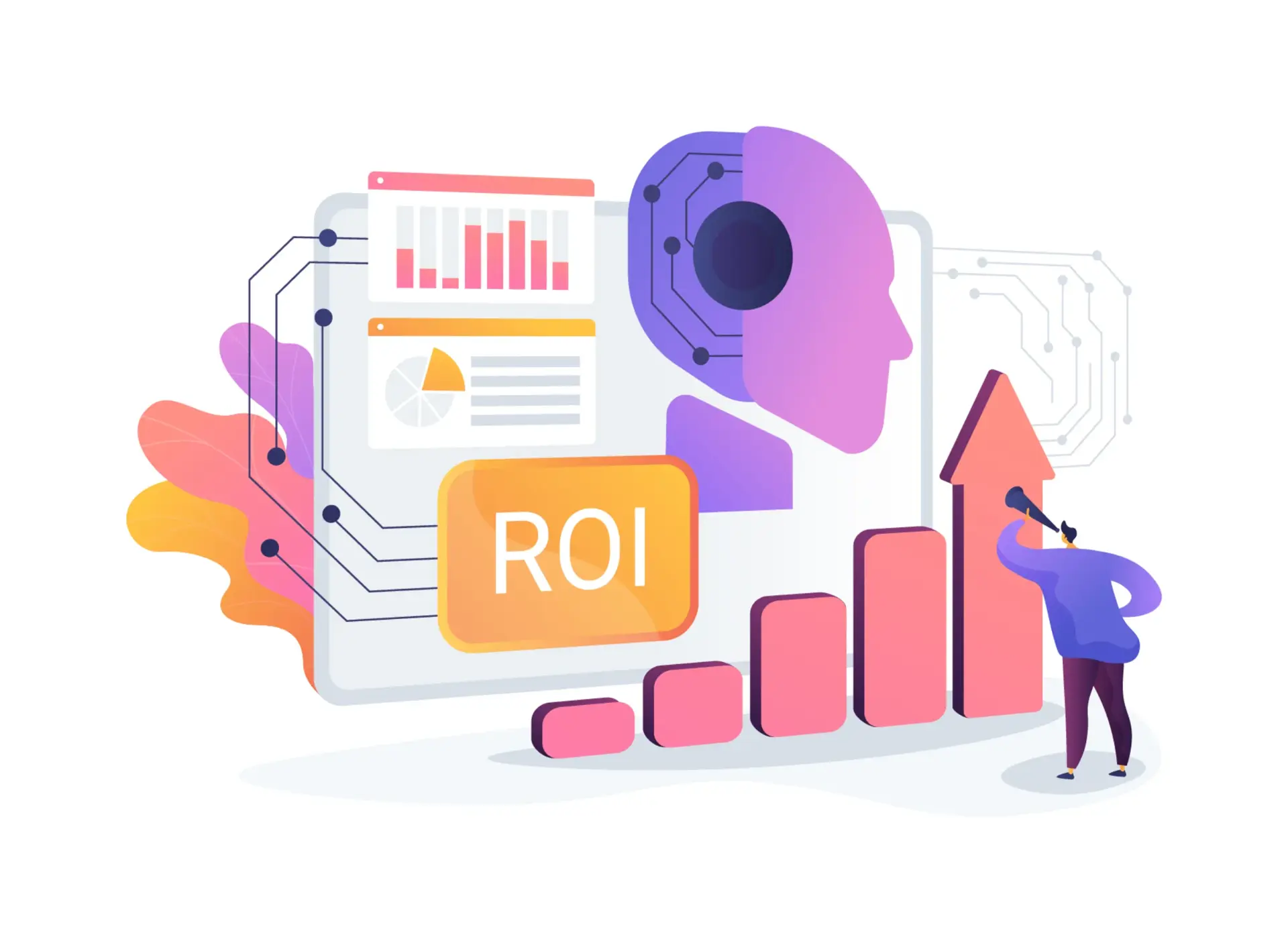
The Truth About ROI
The Old Way
Generic Attribution
The Intelegencia Way
AI Attribution
Machine-Learning Attribution Models
We train data-driven attribution models on your unified marketing and conversion data, capturing the contribution of every channel, creative, and message, including dark social and offline touches.
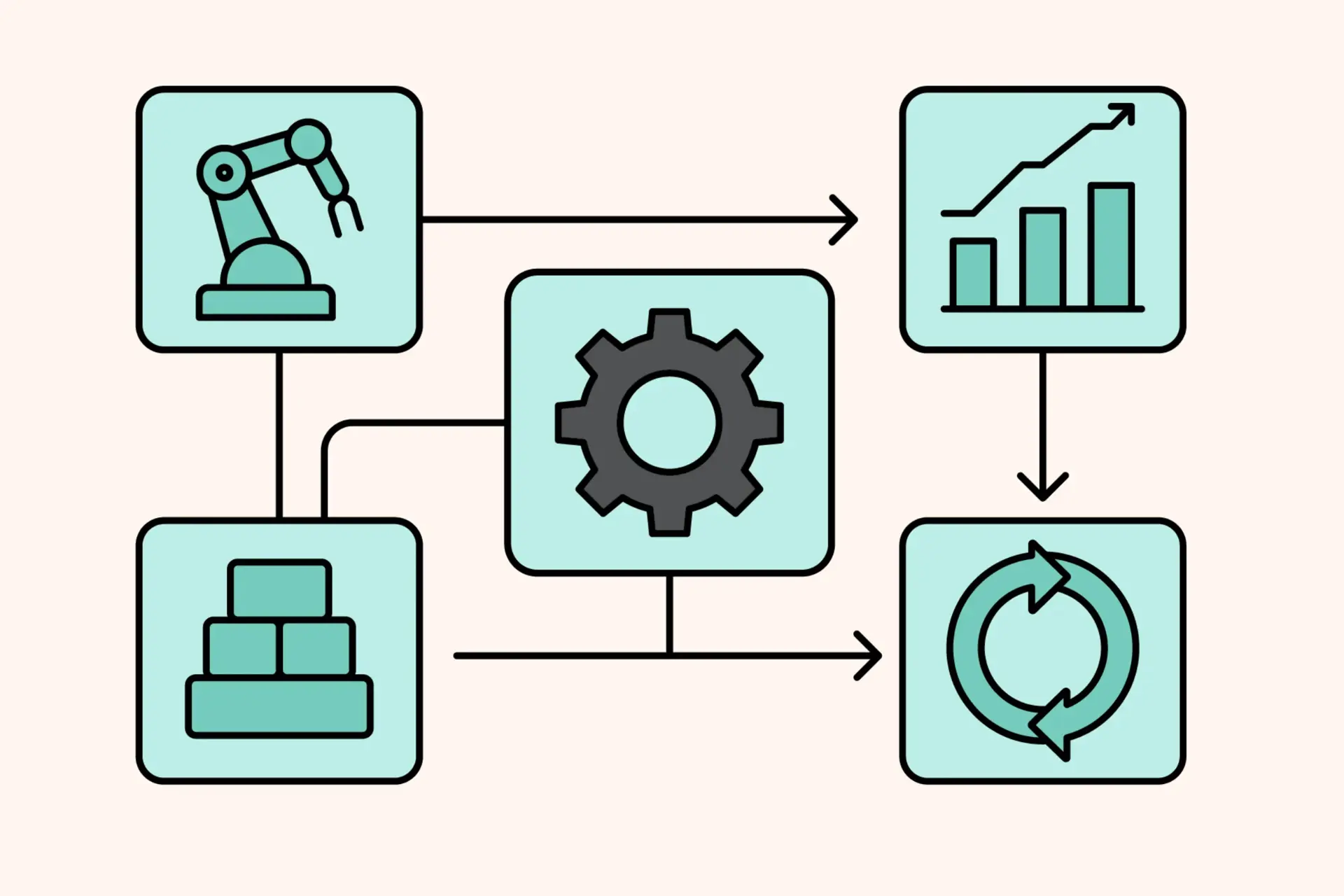
Continuous Optimization Loop
Attribution outputs feed back into media planning, bidding, and creative decisions so every dollar gets reallocated to the touchpoints actually moving revenue.
AI Attribution Scenarios by Business Model
Applying advanced machine-learning attribution models that align with your specific buyer journey dynamics.
Direct Commerce
Markov Chain analysis of multi-touch digital paths to attribute immediate checkout actions.
Omnichannel Retail
Stitching digital touchpoints to physical store visits and offline sales events.
B2B Lead Funnels
Shapley value allocations mapping marketing influence on enterprise CRM pipeline.
High-Consideration B2C
Modeling multi-device buyer research pathways over extended consideration cycles.
Attribution Rollout
Four-step engagement pooling channel, conversion, and CRM data into machine-learning attribution models that reveal true channel impact and enable continuous budget optimization driven by real revenue data.
Data Unification
Pulling channel, conversion, and CRM data into a single attribution-ready warehouse.
Model Selection
Choosing and validating the model class that fits your funnel and decision cadence.
Calibration
Stress-testing the model against incrementality experiments and historical lift studies.
Activation
Wiring outputs into reporting dashboards and ad-platform bid signals.
Measured Performance. Proven Growth.
Frequently Asked Questions
About AI Marketing Attribution
Here you will find answers to questions we get asked the most about our offerings.
Rule-based models (like linear or time-decay) apply fixed, generic credit weights to customer touchpoints. AI attribution uses machine-learning algorithms to analyze your historical conversion data and dynamically assign credit based on the statistical contribution of each touchpoint.