
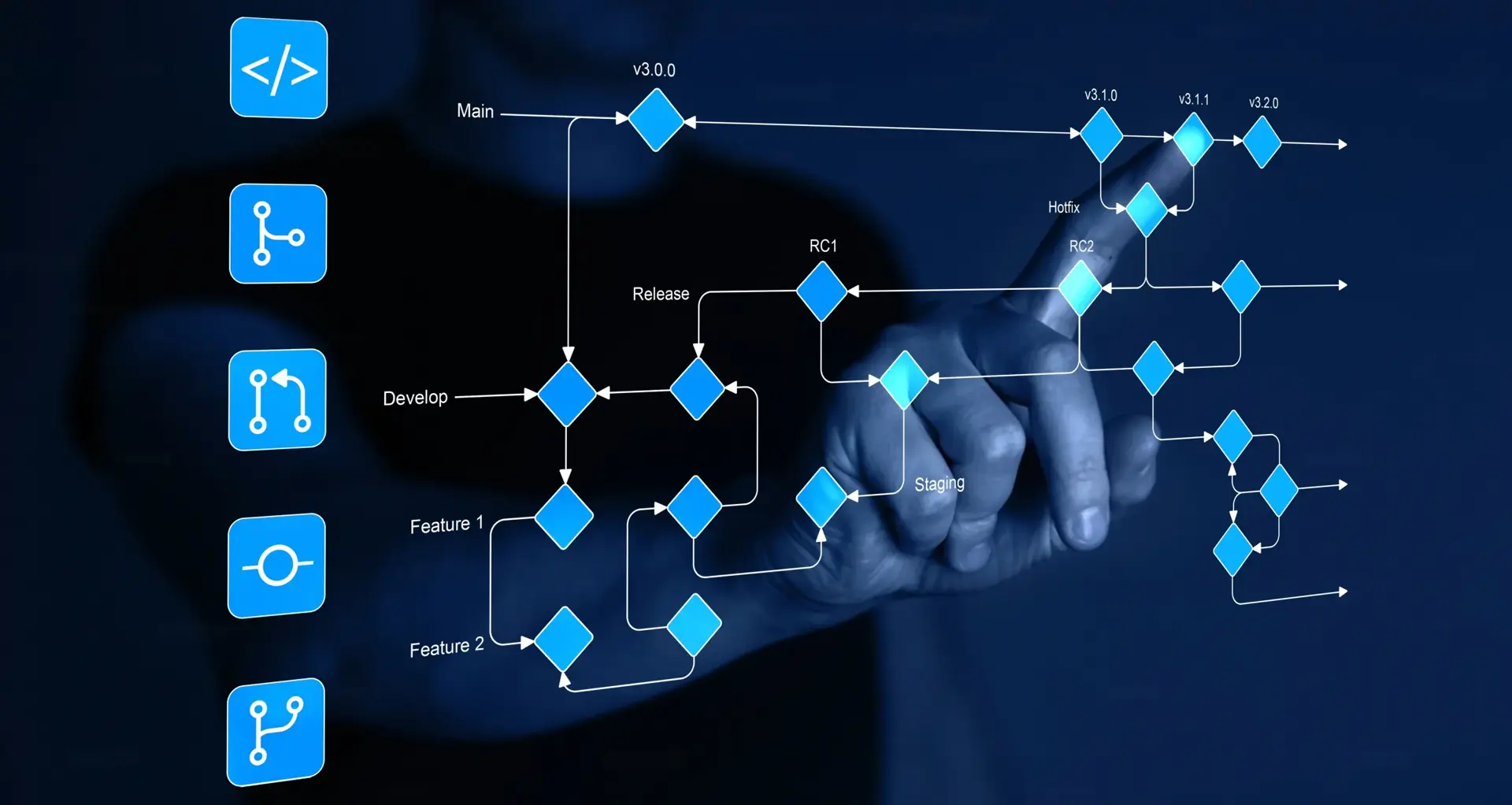
Comprehensive Manual QA & Exploratory Testing Powered by Human Intuition
Uncovering edge cases that automated scripts miss with expert human-led testing. Our manual QA teams simulate unexpected user actions and real-world network conditions to find UI glitches and complex logic failures before release.
The Human Element
The Old Way
Scripted Blindness
The Intelegencia Way
Expert Manual QA
Exploratory Bug Hunting
We don't just follow a rigid checklist. Our security and usability testers actively push your application to its limits by simulating unexpected user behaviors, race conditions, and real-world network constraints. This exploratory approach exposes visual glitches and hidden logical flaws that static scripts can never capture, ensuring your UI remains resilient under real-world usage.

Structured Test Management
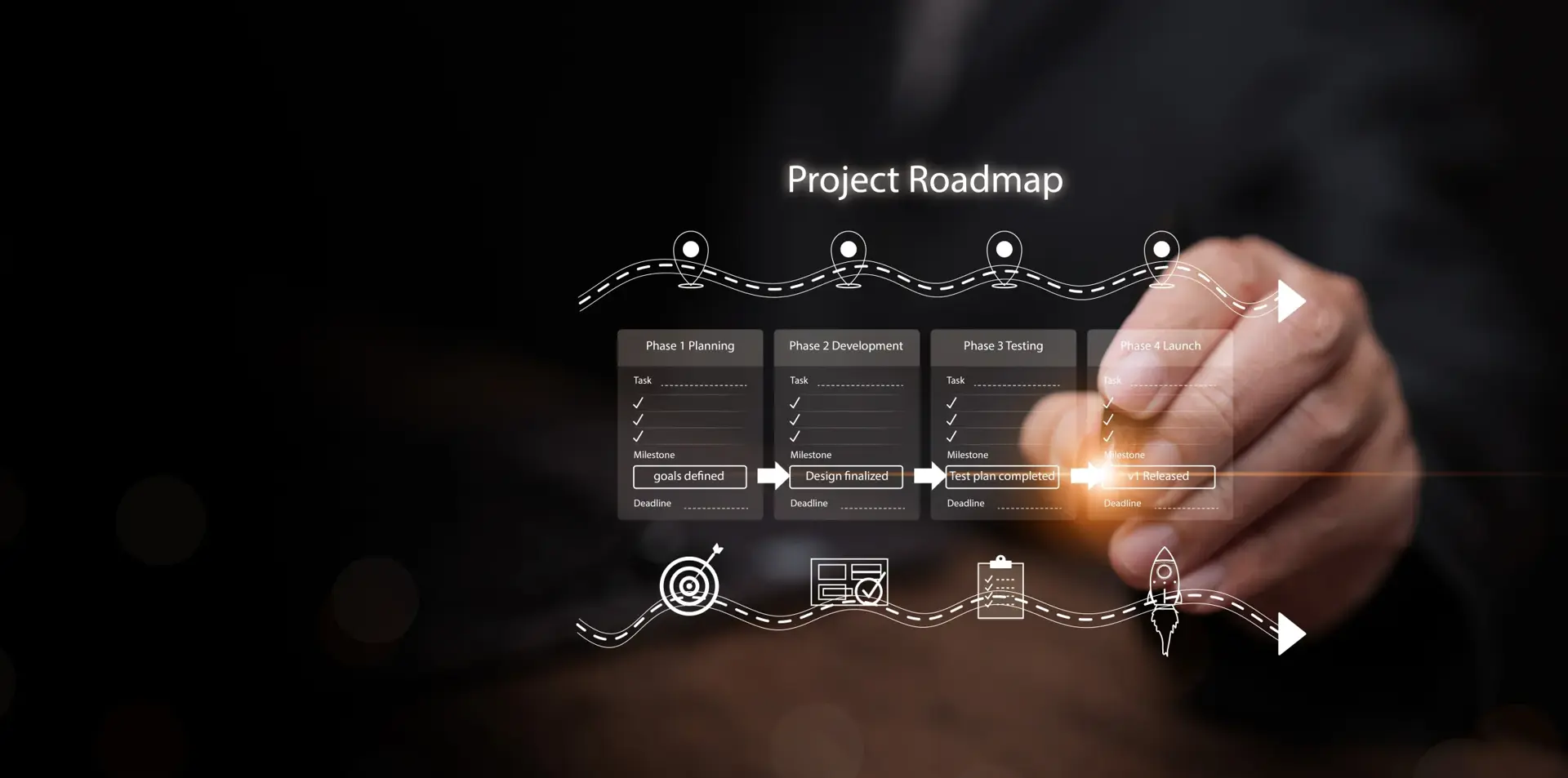
Exploration works because it is anchored in operational discipline. Every testing cycle runs on detailed test cases, clear requirement traceability matrices, and structured user acceptance testing protocols. This ensures your engineering team has complete visibility into test coverage, and release sign-off is backed by a data-driven report rather than just a subjective feeling.
Shift-Left Integration & Functional Testing
Moving quality checks upstream significantly cuts resolution costs and accelerates delivery speed. We embed QA engineers directly in your sprint cycle, running detailed functional and integration tests against early development builds. This shift-left approach ensures developers receive instant feedback on broken features before their code ever reaches final review.

QA Units
Four complementary disciplines for comprehensive application coverage: exploring UX friction, auditing security logic, validating API resilience, and ensuring universal accessibility standards for every user.
UX Audit
Identifying friction points that frustrate real users.
Security Scan
Manual 'Pen-testing' for logic and auth flaws.
API Validation
Testing endpoints for resilience and error handling.
Accessibility
Ensuring WCAG compliance for all users.

System & Acceptance Test Orchestration
End-to-end system testing validates that all interconnected components, APIs, and databases work together seamlessly under production-like conditions. We organize and run full user acceptance testing cycles, compiling the required sign-off logs and compliance evidence to ensure your product launch proceeds smoothly on schedule without any last-minute surprises.
Our Testing Flow
Five phases from scope definition through regression verification: mapping critical paths, designing exploratory scenarios, executing hands-on tests, logging high-fidelity defects, and confirming fixes do not break existing features.
Scope Definition
Mapping critical user paths and high-risk zones.
Test Planning
Designing scenarios that push boundaries.
Active Execution
Hands-on testing across devices and browsers.
Defect Logging
Providing high-fidelity reports with video evidence.
Regression Check
Verifying fixes don't break existing features.
Measured Performance. Proven Growth.
Frequently Asked Questions
About Comprehensive Manual QA & Exploratory Testing
Here you will find answers to questions we get asked the most about our offerings.
Automation tests for 'Expected Behavior.' Manual QA tests for 'Human Behavior', finding the subtle friction that makes users leave.