Entity SEO & Knowledge Graph Optimization that Maps the Semantic Web
Move beyond keyword matching to optimize the entities, semantic relationships, and topical networks that define modern knowledge graphs and search engine trust.
The Topical Authority Engine
The Old Way
Legacy SEO
The Intelegencia Way
Semantic Dominance
Entity Relationship Mapping
We move your SEO strategy from 'Words' to 'Things.' We use AI to identify the core entities (brands, people, events, and concepts) that are relevant to your industry and map the relationships between them. By ensuring your content explicitly defines these relationships through structured data and semantic context, we increase the probability of your brand being identified as a 'Trusted Entity.' This technical layer tells search engines exactly how your products or services fit into the broader industry landscape, building a foundation of absolute topical authority.


Semantic Theme Clustering
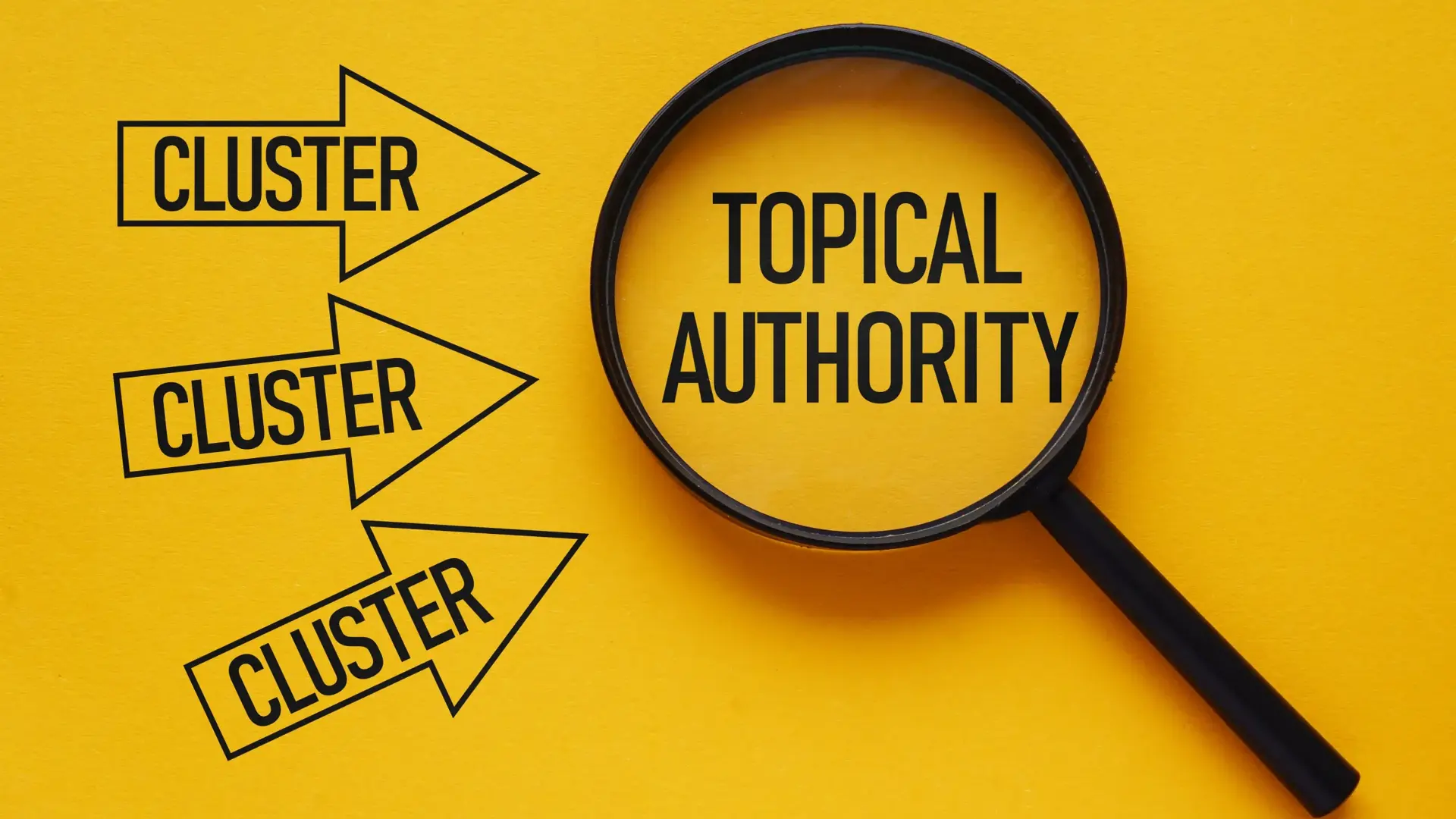
Single-page optimization is no longer enough to win competitive search results. We build 'Topical Clusters' (interconnected groups of pages that satisfy every possible user intent within a specific theme). Our AI analyzes search trends and demographic data to identify the 'Semantic Hubs' your brand should own. By demonstrating deep, comprehensive coverage of a topic, we signal to search engines that you are the most relevant and authoritative source for any query within that cluster. We move you from ranking for keywords to owning entire topics.
Knowledge Graph Integration
Your brand should be more than a website; it should be a node in the global knowledge graph. We use AI to structure your business data for ingestion by major search and AI discovery engines. By optimizing your GMB profile, Wikipedia-style entities, and structured data feeds, we ensure your brand appears in 'Knowledge Panels' and AI-generated snapshots. We build the 'Digital Identity' that search engines trust, ensuring your brand is the primary source for factual information about your industry.

Semantic SEO By Sector
Topical relationships vary by knowledge domain. We tailor our semantic mapping to your industry's unique ontology.
Enterprise Tech & B2B
Mapping complex technical solutions to high-intent decision-maker entities.
Market Research & Data
Building authority through structured entity data and knowledge graph connectivity.
Higher Ed & Training
Establishing topical expertise through comprehensive academic entity mapping.
Government & NGO
Securing trust through verifiable entity signals and clear semantic relationships.

LLM-Driven Topic Modeling
Search engines use advanced AI models to understand context and intent. We use those same models to 'reverse-engineer' the topical requirements of a high-ranking page. By analyzing the semantic patterns of top-performing content, we identify the 'Information Gaps' in your pages and fill them with high-authority data. This ensures your content isn't just comprehensive; it's semantically perfect for the algorithms that decide your visibility. We align your content with the machine-learned standards of authority.
Semantic Internal Linking
Internal links are the 'nervous system' of your site's authority. We use AI to automate the insertion of links between semantically related pages, ensuring authority flows to your most important entities. By optimizing anchor text for semantic relevance and ensuring that every page is connected to its relevant 'Hub,' we build a resilient internal link graph. This structure helps search crawlers understand the hierarchy and topical depth of your site, increasing the ranking potential of your entire catalog.


Entity Authority Tracking
Traditional keyword tracking is a vanity metric. We use specialized AI tools to track your 'Entity Authority': how often search engines connect your brand to specific industry concepts. By monitoring your brand's presence in knowledge panels, AI snapshots, and semantic search carousels, we provide a high-fidelity view of your true search dominance. We move beyond ranks to measure your brand's resonance and authority in the semantic web. We track your status as an industry leader, not just a list on a page.
The Semantic Roadmap
Building an entity-connected brand authority in 5 stages of semantic engineering.
Entity Identification
Mapping the core industry concepts and entities relevant to your brand.
Graph Architecture
Designing the internal link and schema structure to reinforce entity relationships.
Cluster Deployment
Building topical hubs and content clusters that demonstrate absolute expertise.
Identity Sync
Connecting your digital presence to the global knowledge graph and AI engines.
Authority Loop
Continuous monitoring of entity recognition and refinement of topical connectivity.
Measured Performance. Proven Growth.
Frequently Asked Questions
About Entity SEO & Knowledge Graph Optimization
Here you will find answers to questions we get asked the most about our offerings.
An entity is a uniquely identifiable thing or concept, like a brand, person, or product, that search engines can distinguish from other concepts.