

User Experience & Interface Design (UI/UX) Engineering Human-Centric Interfaces
Beyond aesthetics. We engineer intuitive UI/UX Design and scalable Design Systems that reduce cognitive load, improve task success, and maximize conversion.
Design for Performance
The Old Way
Legacy Design
The Intelegencia Way
Intelegencia UX
Cognitive Load Optimization
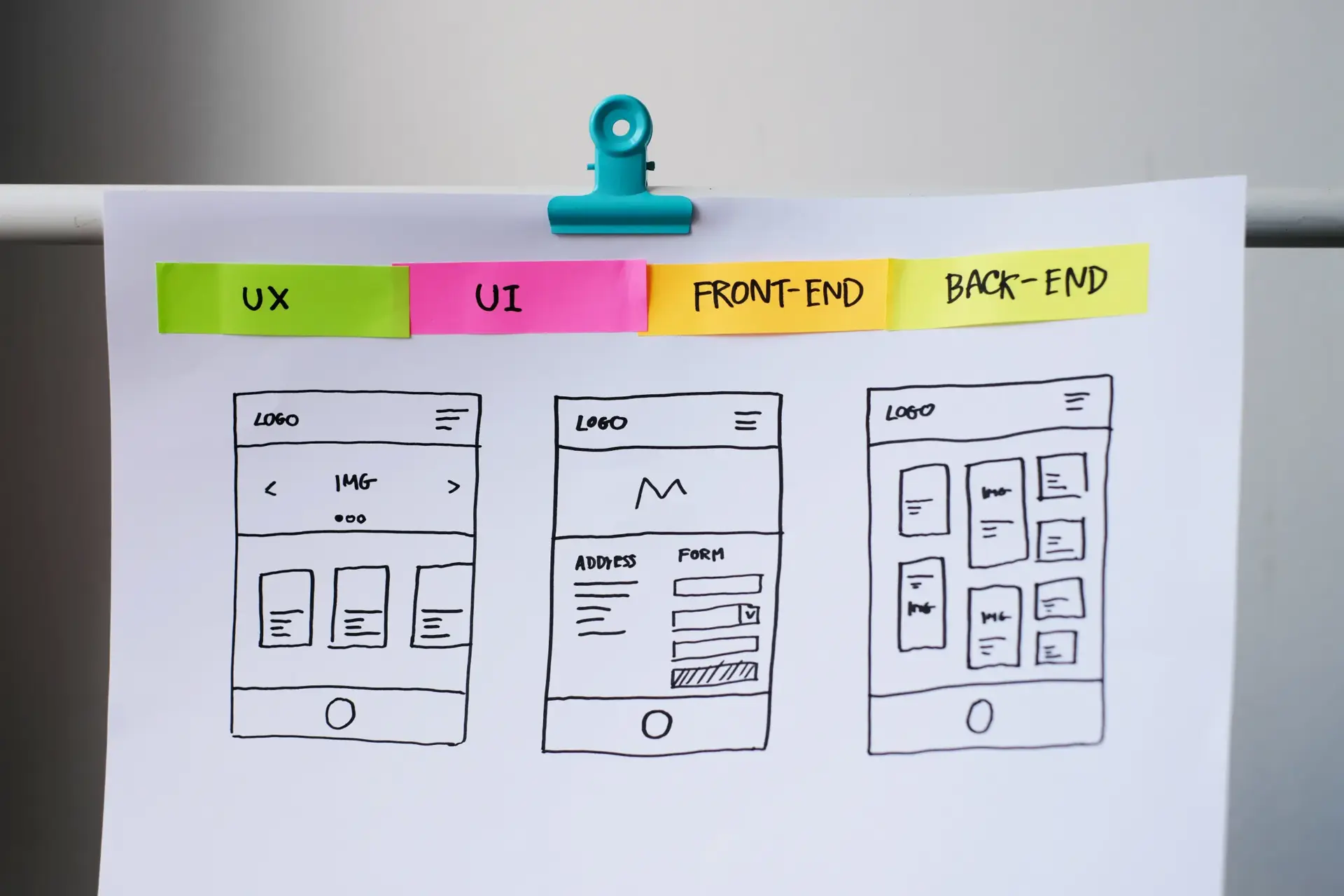
Users shouldn't have to think about how to use your platform. We apply cognitive psychology principles (including Miller's Law and the von Restorff Effect) to simplify navigation and guide user attention to key actions. By reducing choice overload and optimizing the hierarchy of information, we minimize 'interaction cost.' This ensures that users can achieve their goals with the least amount of effort, leading to higher satisfaction and significantly lower abandonment rates.
Atomic Design Systems
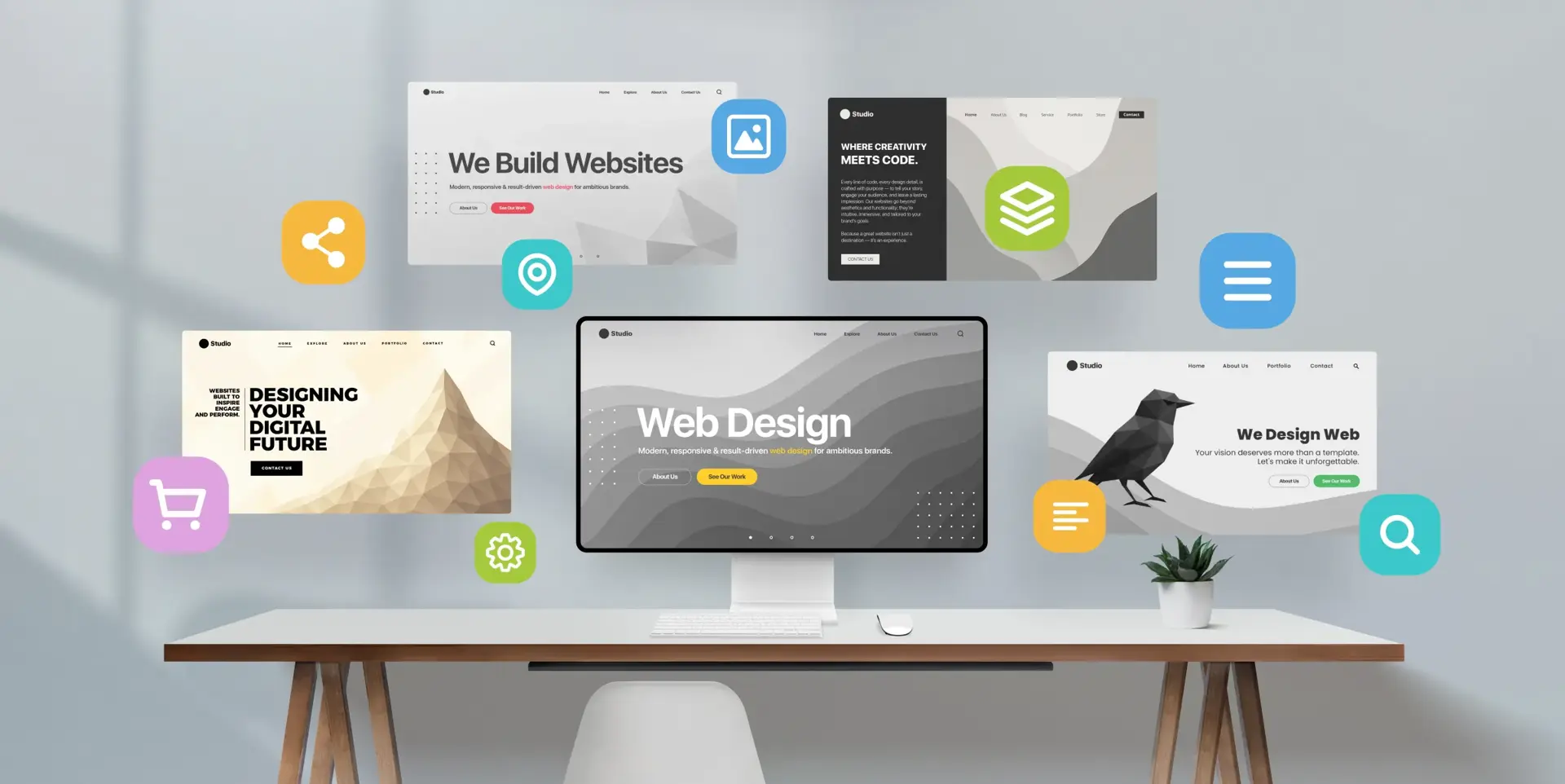
Consistency is the foundation of brand trust. We don't just design pages; we engineer 'Atomic Design Systems': a library of reusable components, tokens, and patterns that ensure a unified experience across all digital touchpoints. This systematic approach allows your product to scale effortlessly while maintaining a premium feel. It also accelerates the development cycle, providing engineers with a pre-validated toolkit of assets that are already optimized for performance and accessibility.
Micro-Interaction Engineering
The difference between a good interface and a great one is in the details. We use micro-interactions to provide subtle, intuitive feedback to users, making the digital experience feel alive and responsive. Using high-performance animation libraries, we engineer transitions that feel natural and fluid. These interactions don't just add 'delight'; they serve as critical signifiers that guide users through complex workflows and reinforce successful actions.
Design Strategy By Sector
UX requirements vary by industry logic. We tailor our design engineering to your specific user ecosystem.
SaaS & Enterprise
Optimizing for high-frequency workflows and complex data visualization.
E-commerce & Retail
Engineering seamless paths to purchase and frictionless checkout logic.
FinTech & Banking
Building trust through high-security UI patterns and clear financial data.
Health & Wellness
Designing for sensitivity, privacy, and ease of use in critical environments.

Accessibility-First Architecture
Inclusivity is an engineering requirement, not a feature. We build all interfaces to exceed WCAG 2.1 Level AA standards, ensuring that your digital products are accessible to users of all abilities. From semantic HTML structures to keyboard navigation and screen reader optimization, we integrate accessibility into every stage of the design process. This not only protects your brand from compliance risks but also expands your reach to a wider, more diverse audience.
Behavioral Psychology Integration
We design for the human brain. By understanding how users process information and make decisions, we engineer 'Nudge' points that gently guide them toward high-value conversions. Using techniques like 'Social Proof' integration, 'Scarcity' signaling, and 'Loss Aversion' logic, we build interfaces that align with natural human behaviors. We turn your digital platform into a persuasive ecosystem that turns passive visitors into active brand advocates.


Rapid Validation & Prototyping
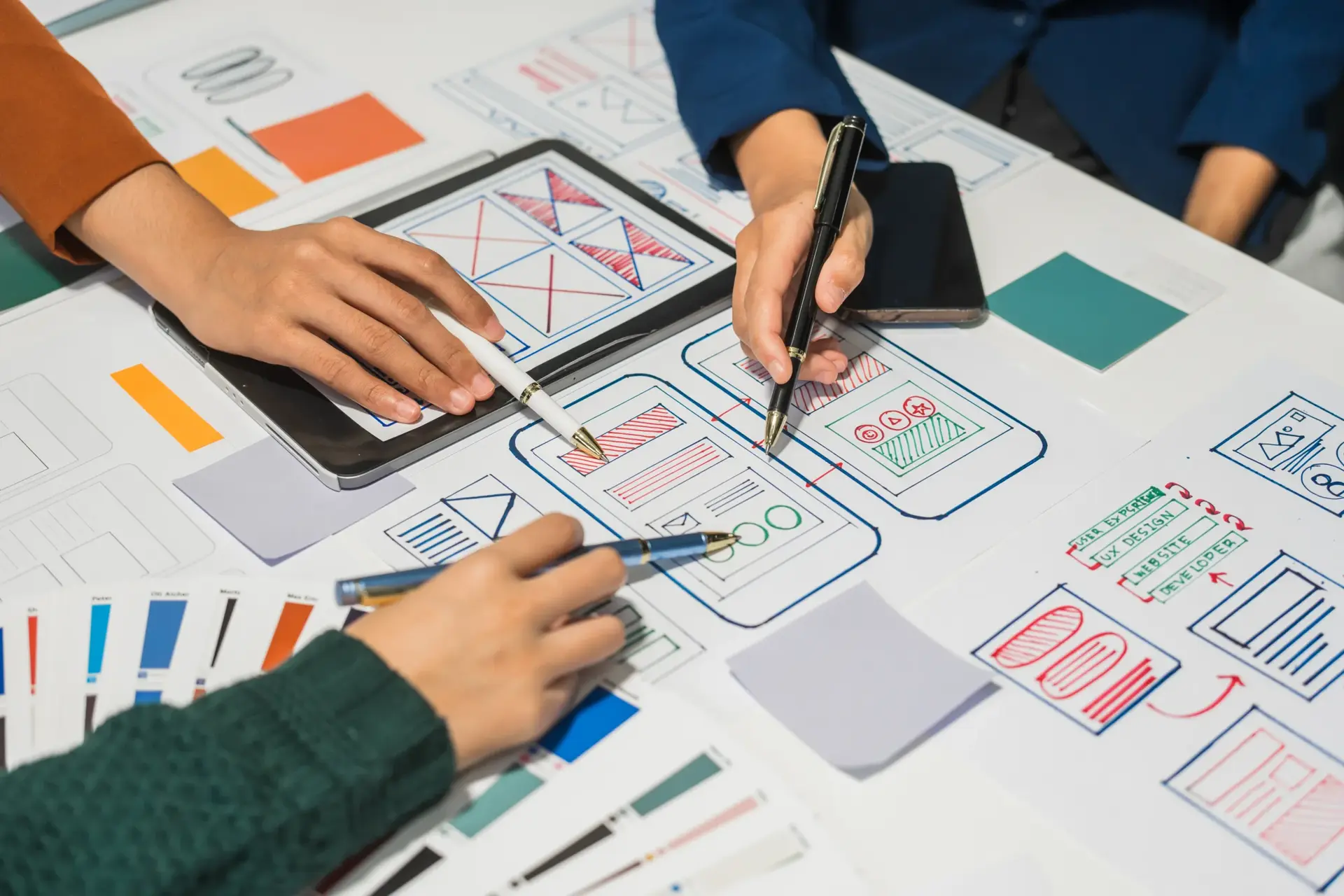
We don't guess; we validate. Our 'Lean UX' process involves rapid prototyping and real-user testing to ensure that our design hypotheses are correct before we commit a single line of production code. Through heatmaps, click-stream analysis, and A/B testing, we continuously refine the interface to maximize performance. This data-driven approach eliminates risk and ensures that your final product is perfectly tuned to the needs of your actual users.
The Design Engineering Loop
Five steps that transform user insights into high-performance interfaces, covering discovery, architecture, prototyping, validation, and engineering-ready handoff.
Discovery & Audit
Identifying user pain points and analyzing current performance gaps.
Architecture & Mapping
Defining the information hierarchy and mapping core user journeys.
High-Fi Prototyping
Engineering interactive prototypes that simulate the final product experience.
Validation Testing
Testing with real users to identify friction points and optimization opportunities.
Development Handoff
Providing engineering-ready assets and comprehensive design documentation.
Measured Performance. Proven Growth.
Frequently Asked Questions
About User Experience & Interface Design (UI/UX)
Here you will find answers to questions we get asked the most about our offerings.
It means we design with technical feasibility and performance in mind, ensuring that our designs can be built efficiently and run at high speeds.